Utah’s top natural resources official calls 2026 a ‘watershed year’
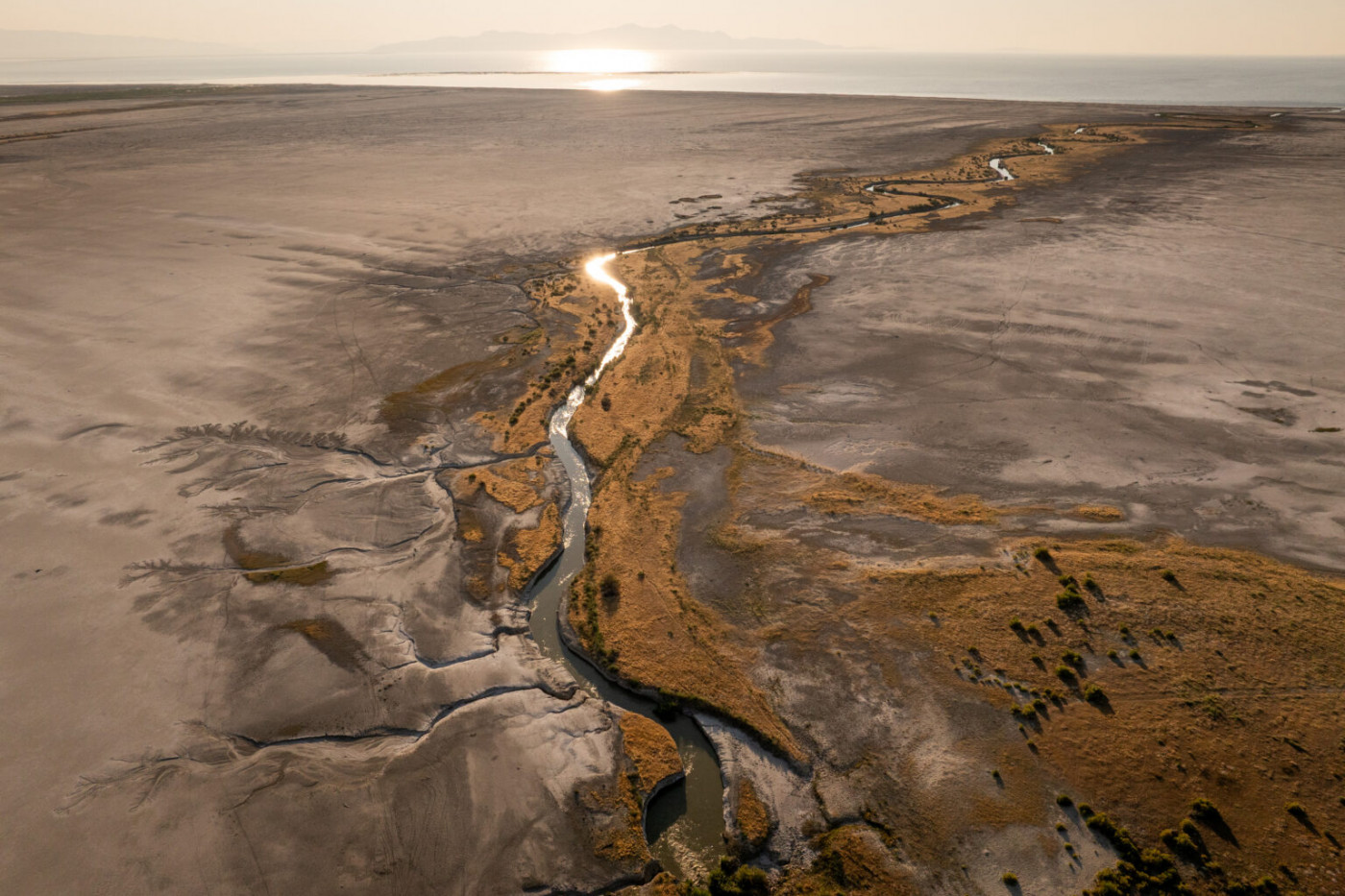
To get in top shape for the 2034 Winter Games, state officials say the drying Great Salt Lake needs enough additional water each year to fill 400,000 Olympic-sized swimming pools – about one for every household in Salt Lake County.
They acknowledge the goal is ambitious and say they hope to seize on greater public awareness and a mix of government and outside investment to help restore the lake.
“Yes, our choices do matter when it comes to this lake, and those choices can actually increase recovery, and the speed of recovery,” Brian Steed, Utah’s Great Salt Lake commissioner, said Wednesday at an event focused on the lake’s long-term health and hosted by the University of Utah’s Kem C. Gardner Policy Institute.
Steed and other members of the state’s “Great Salt Lake strike team” — a group of experts, state officials and others — released a report Wednesday highlighting recent milestones, data on water use and measures that may help.
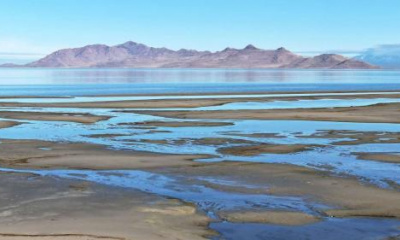
The lake has shrunk after years of drought, climate change and redirection of water for farming and other uses, reaching a record low in 2022. It made some recovery before dropping back down to end 2025 at its third-lowest level since 1903. Agriculture is the biggest consumer of water from the Great Salt Lake Basin, at 65%, the report says, followed by municipal and industrial uses at 26.8% and mineral extraction at 5.7%.
The planned 2034 Olympics in Salt Lake City will draw greater attention to the lake’s health, noted Natalie Gochnour, director of the Gardner Institute.
“We know that in 2034, the world’s eyes are going to be on this state. And we’ve made this commitment, we’ve signed this charter for the lake, to commit ourselves to be the place that rescues an inland sea,” Gochnour said.
The state is receiving outside help to recover the lake, with $50 million from the U.S. Bureau of Reclamation, which manages water in the West, $100 million from conservation nonprofit Ducks Unlimited, and another commitment for $100 million from a philanthropic campaign, Great Salt Lake Rising, the report notes.
Timothy Hawkes with the Great Salt Lake Brine Shrimp Cooperative told Utah News Dispatch he felt encouraged by the increase in funding and public awareness. But he said a key question remains: “How are you actually going to get that much water to the lake?”
Hawkes said the process to answer that question “is complicated, it’s difficult, it’s slow, and that’s frustrating for advocates and everybody that cares about the lake.”
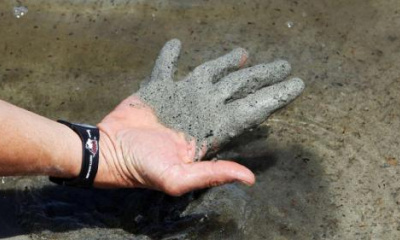
Kevin Perry, a professor of atmospheric sciences at the University of Utah, said the state is installing more air quality monitors and has a new plan to track how frequent, severe and harmful dust storms are when they kick up toxins from the dry lakebed.
“I was super excited about this, because this is the first time that the state has really taken the dust issue seriously,” said Perry, a member of the strike team.
The team’s new report points to successes. Conservation measures over the last 25 years have increased annual average inflow to the lake by 1,665 acre feet — or more than 830 Olympic pools.
That number is significant, and likely to grow, said Anna McEntire, managing director of Utah State University’s Janet Quinney Lawson Institute for Land, Water and Air.
“I’m really confident this is a case of increasing returns,” McEntire told Utah News Dispatch.
In terms of household water use, the vast majority goes outside to lawns and gardens, rather than inside for cooking and showering. The data shows that reducing overall outside use could go far in conserving more water, McEntire said.
Joel Ferry, executive director of the Utah Department of Natural Resources, called 2026 a “watershed year.” He said he’s working with lawmakers and the Utah Department of Agriculture and Food to improve and expand a program that has begun paying farmers for water they don’t use when they fallow their fields for a time.
“We’re going to see big movement on water use,” Ferry promised during a panel discussion at Wednesday’s event.