
Utah and other Upper Basin states shared water woes and plans for future drought actions during a meeting of the Upper Colorado River Commission.
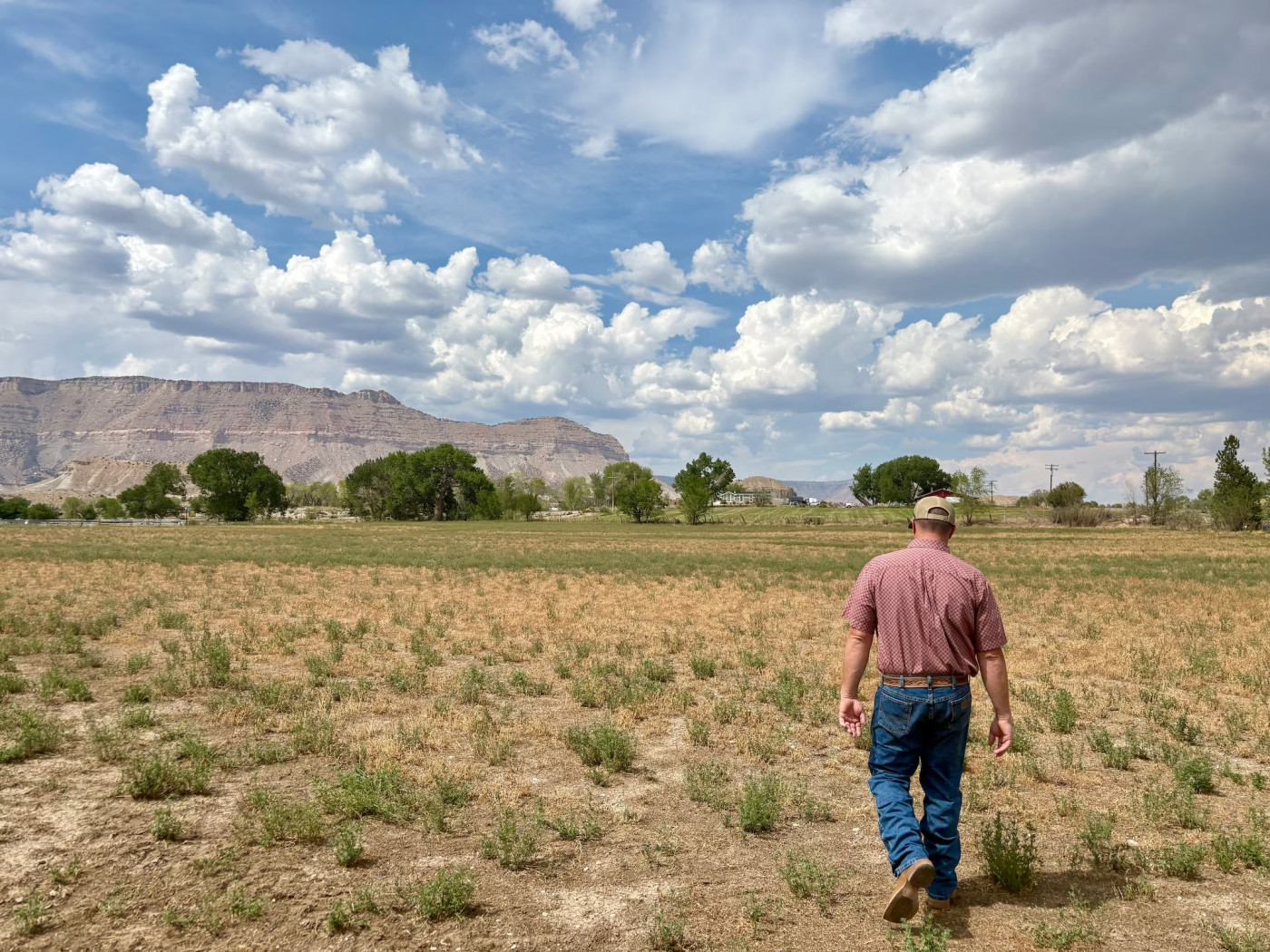
In a normal year, Ferron farmer Brooks Behling can fill his barns with hay two or three times. This year, they were never full.
Brooks Behling was only able to irrigate about half of his farm this year. The fields that did get water only received half of what they would ideally get. He estimated his total harvest this year will likely be 30% of normal.
“We’re done,” he told the Tribune in August. “We’re out of water.”
Blistering drought across the West has forced some communities in Utah to live with a fraction of their normal water. The canal company in Ferron, a small city in Emery County, had to cut water shares to farmers, the city and Hunter Power Plant by 75%.
The company has senior water rights but this year, Ferron Creek was a trickle compared to its usual flow.
“We’ve had some lean years, but this is by far the worst,” said Tracy Behling, Brooks Behling’s father and 42-year president of the Ferron Canal and Reservoir Company.
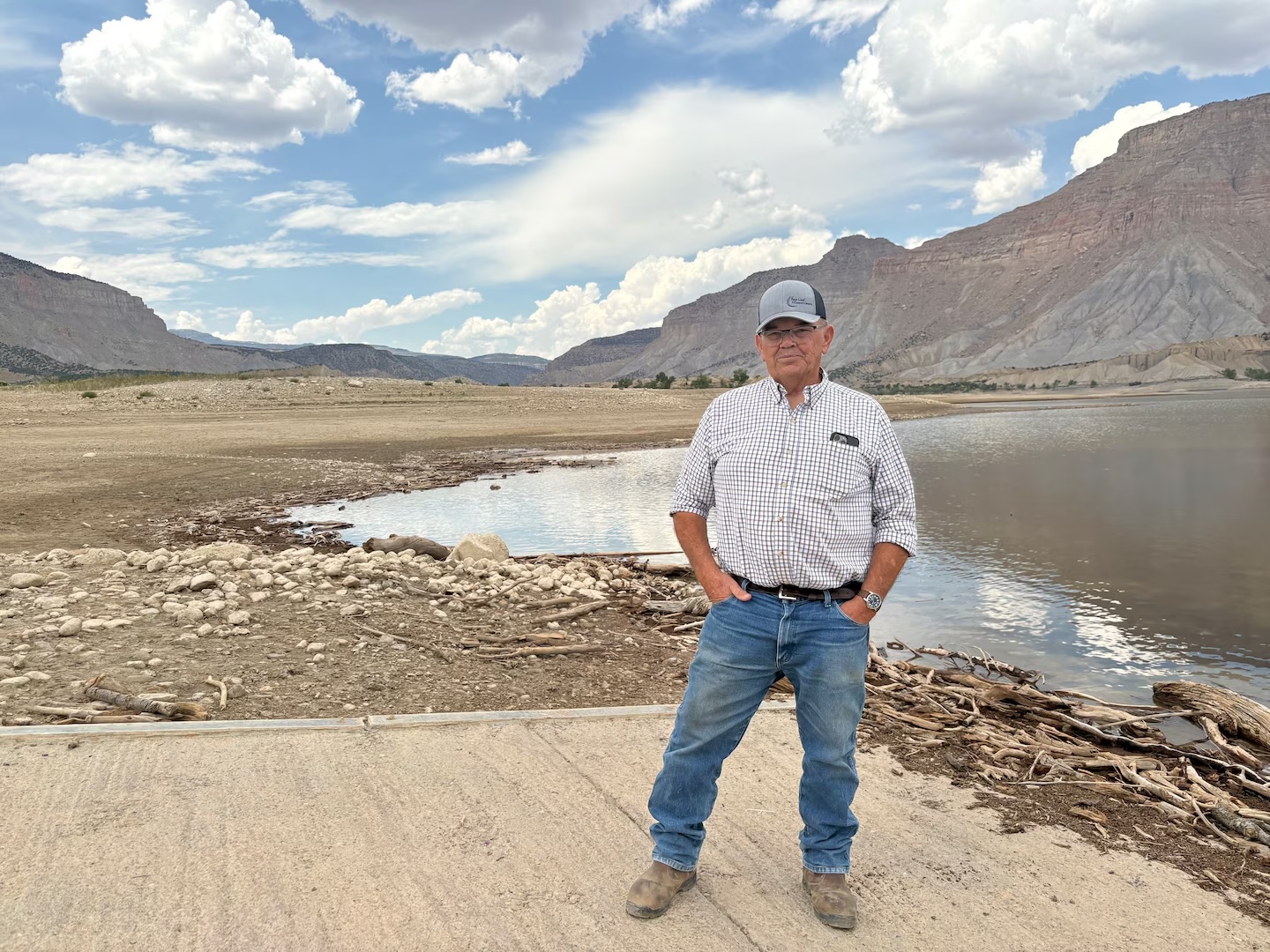
(Brooke Larsen | The Salt Lake Tribune) Tracy Behling, president of the Ferron Canal and Reservoir Company, stands next to the low Millsite Reservoir in Ferron on Monday, August 10, 2026.
It’s a situation playing out across the Beehive State.
In other corners of the state, such as the Uintah Basin, senior water rights holders have also seen their water deliveries cut back, Gene Shawcroft, Utah’s Colorado River commissioner, said Monday during a meeting of the Upper Colorado River Commission.
“The water just wasn’t there,” Shawcroft said, “and it’s incredibly discouraging to see how poor things were.”
As summer fades to fall, commissioners from Upper Basin states echoed Shawcroft’s sentiments on Monday as they tallied the damage from the record drought year, expressed hope for more snow this coming winter and discussed actions to address supply issues.
“We’ve almost gotten through this year,” said Becky Mitchell, Colorado’s Colorado River commissioner. “We’re hoping next year is better, but we can’t count on that, and so we need to be prepared for whatever comes.”
For Upper Basin states — including Utah, Colorado, New Mexico and Wyoming — that preparation includes ongoing releases from Flaming Gorge to prop up Lake Powell and implementing $100 million in federal funds for water conservation.
Flaming Gorge releases
The Upper Basin commissioners approved ongoing releases from Flaming Gorge through April 2027 to maintain critical elevations at Lake Powell and called for that water to be recovered in Flaming Gorge once conditions improve.
In April, the commissioners approved such releases through the end of the 2026 water year — Sept. 30 — and called for an assessment of future releases once the Bureau of Reclamation finalized its new operating plans and released the August reservoir forecasts.
According to the latest projections, drought response releases from Flaming Gorge will help Lake Powell stay above an elevation of 3,500 feet through April 2027, so the plan will continue.
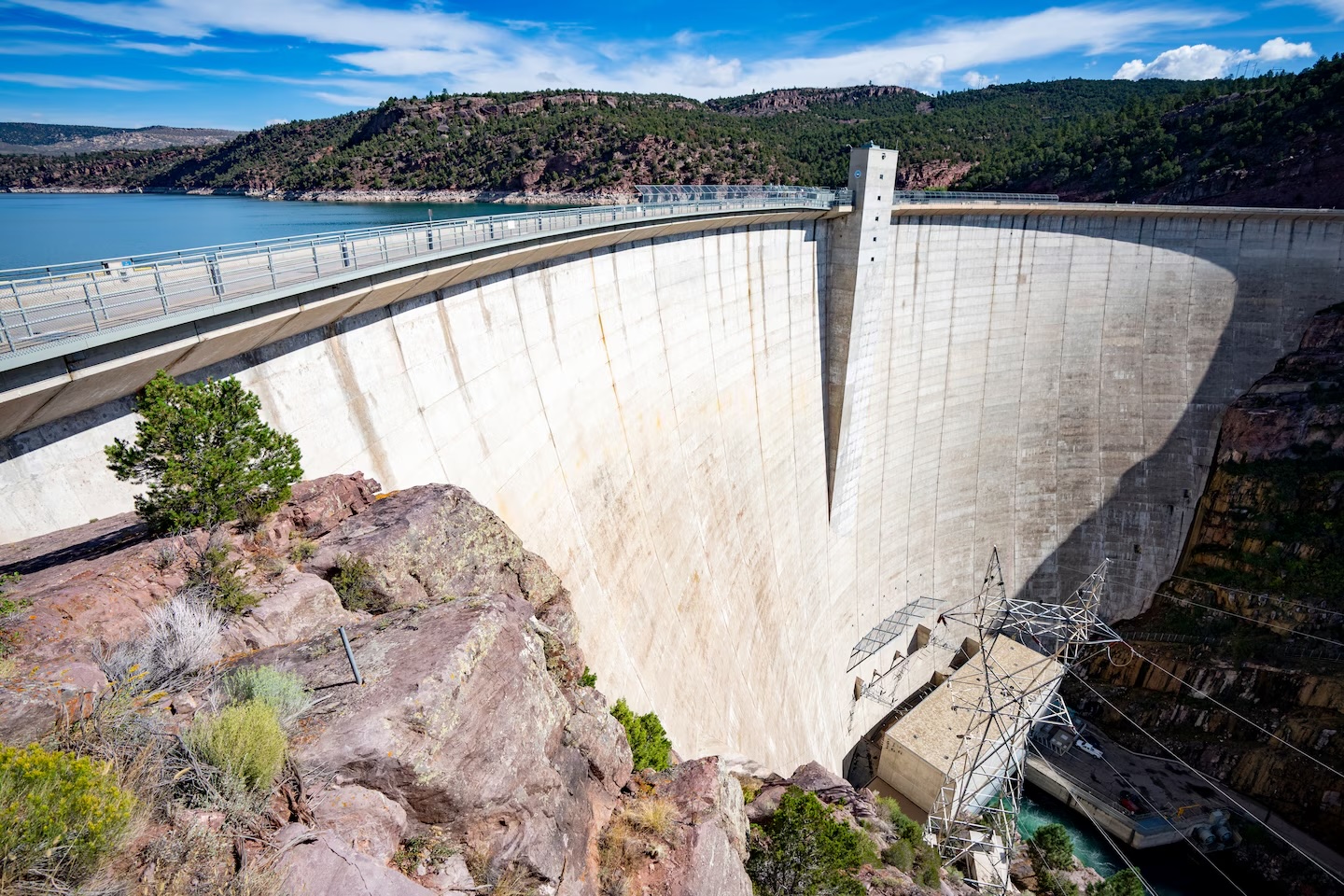
(Rick Egan | The Salt Lake Tribune) Flaming Gorge Dam, on Friday, Aug. 14, 2026.
The bureau will have sent 450,000 acre-feet in additional releases out of Flaming Gorge by the end of September, and the plan includes another 550,000 acre-feet through the end of April, Chuck Cullom, director of the Upper Colorado River Commission, said during Monday’s meeting. Flaming Gorge is currently 70% full.
States and the bureau are also working on a new agreement for future releases from Flaming Gorge and other upper reservoirs as the current plan expires this year.
Federal funds will help states conserve
In addition to releasing more water from Flaming Gorge, the bureau also awarded Upper Basin states $100 million for water conservation projects.
Utah will use its share of the funds to transition its Demand Management Program out of a pilot phase and continue paying water users to voluntarily and temporarily send some of their water downstream to Lake Powell.
The Upper Basin states are working with the federal government to come up with a system so states can receive credit for conserved water.
“The idea is to utilize that conservation pool in Lake Powell to build up a block of water in case of future mandatory curtailment calls,” Marc Stilson, principal engineer for the Colorado River Authority of Utah, told The Salt Lake Tribune.
Challenges in dry years
It has been difficult for Utah to meet its conservation goals in dry years, though.
The Colorado River Authority of Utah anticipated one project in its Demand Management Program would conserve 4,500 acre-feet this year, and it was only able to send 900 acre-feet downstream because of low water flows.
Meanwhile, farmers like the Behlings have had to fallow fields without any compensation.
Even if next winter brings more snow for the Colorado River, the effects of this year’s drought and immense heat could linger.
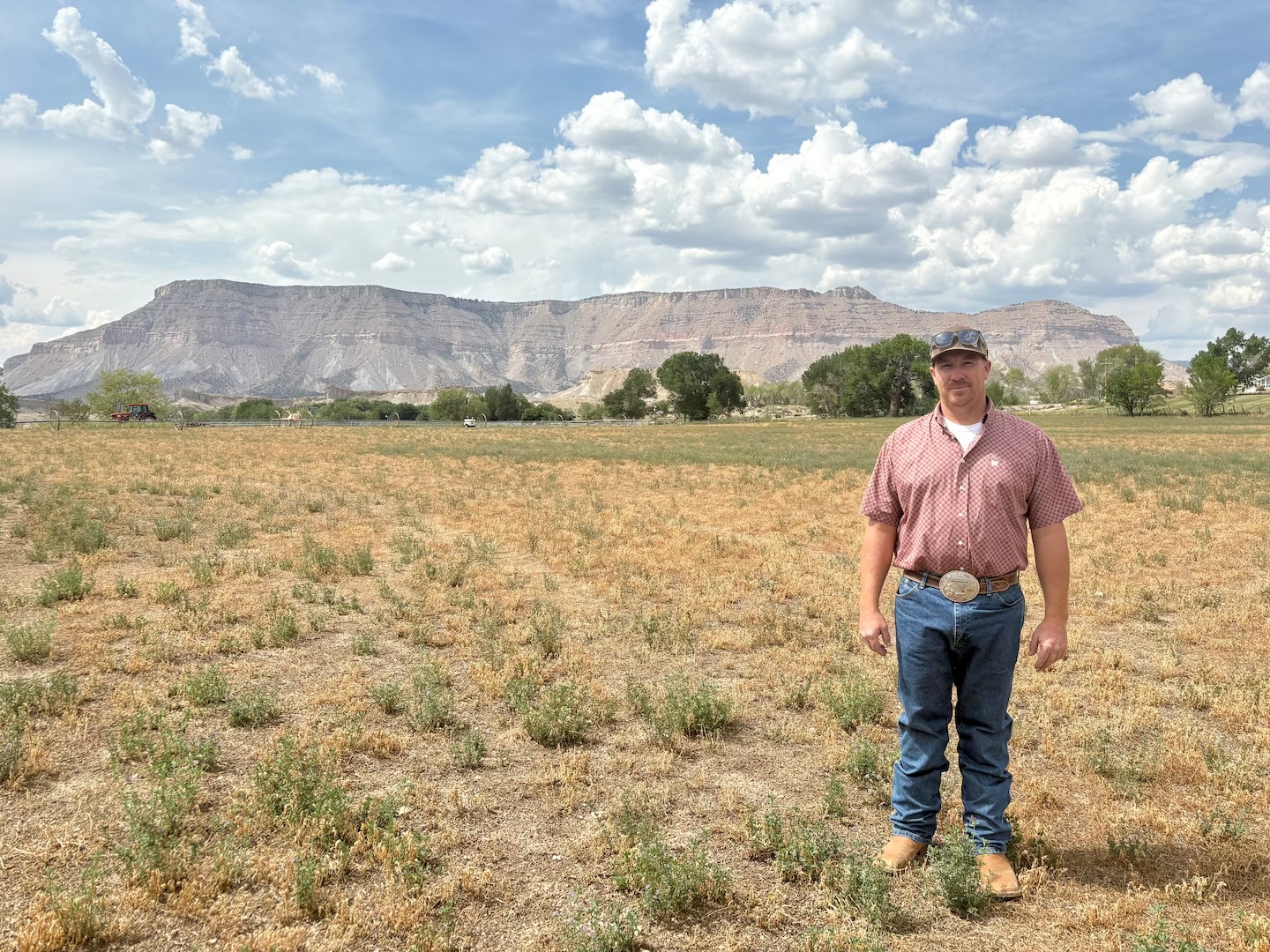
(Brooke Larsen | The Salt Lake Tribune) Brooks Behling stands on one of his dry farm fields in Ferron on Monday, August 10, 2026.
“It’ll be a tough year for everybody,” Brooks Behling said while standing on one of his brown, dry fields. “When we go through a drought this bad, it takes several years to get things back on pace. So we’re hoping for a good snowpack this coming year to start to recover.”
“You try to prepare financially,” he added. “But sometimes when it’s this bad, it’s exceptionally difficult.”