
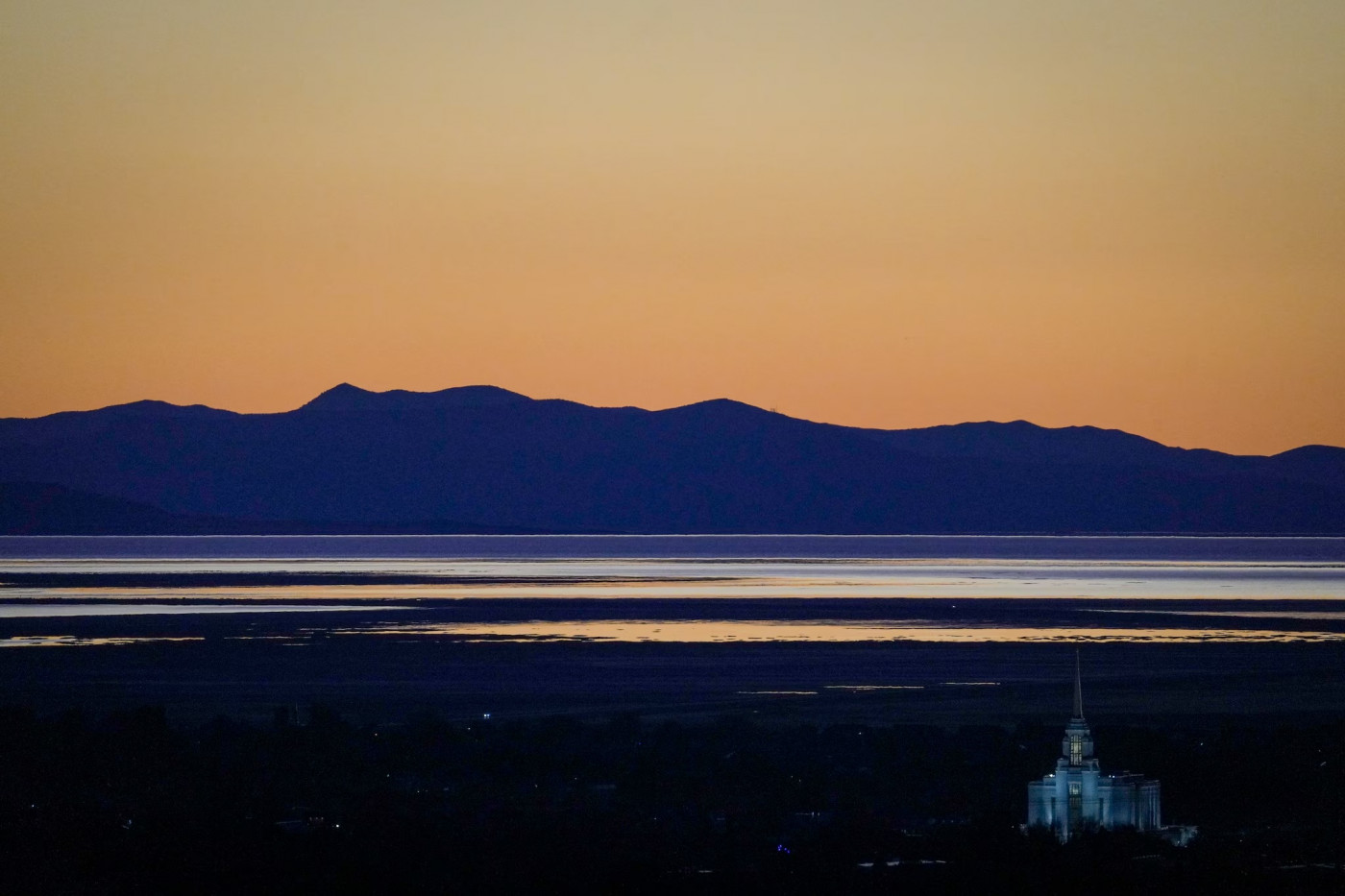
Utah-based faith donates $3 million to help rein in phragmites.
The Church of Jesus Christ of Latter-day Saints is joining the war against an invasive, water-guzzling foe threatening the Great Salt Lake.
The Utah-based faith announced Thursday that it donated $3 million to support the state’s conservation efforts in controlling phragmites, a move that could save thousands of acre-feet of water for the Salt Lake Valley’s signature geographic feature.
Phragmites are invasive grasslike plants that have taken over various wetlands across the United States. These weeds, according to the Utah Division of Forestry, Fire and State Lands, suck up water headed to the shrinking lake, alter the sediment transfer of surrounding areas and turn native wetland habitats into “homogenous, fire-prone lands.”
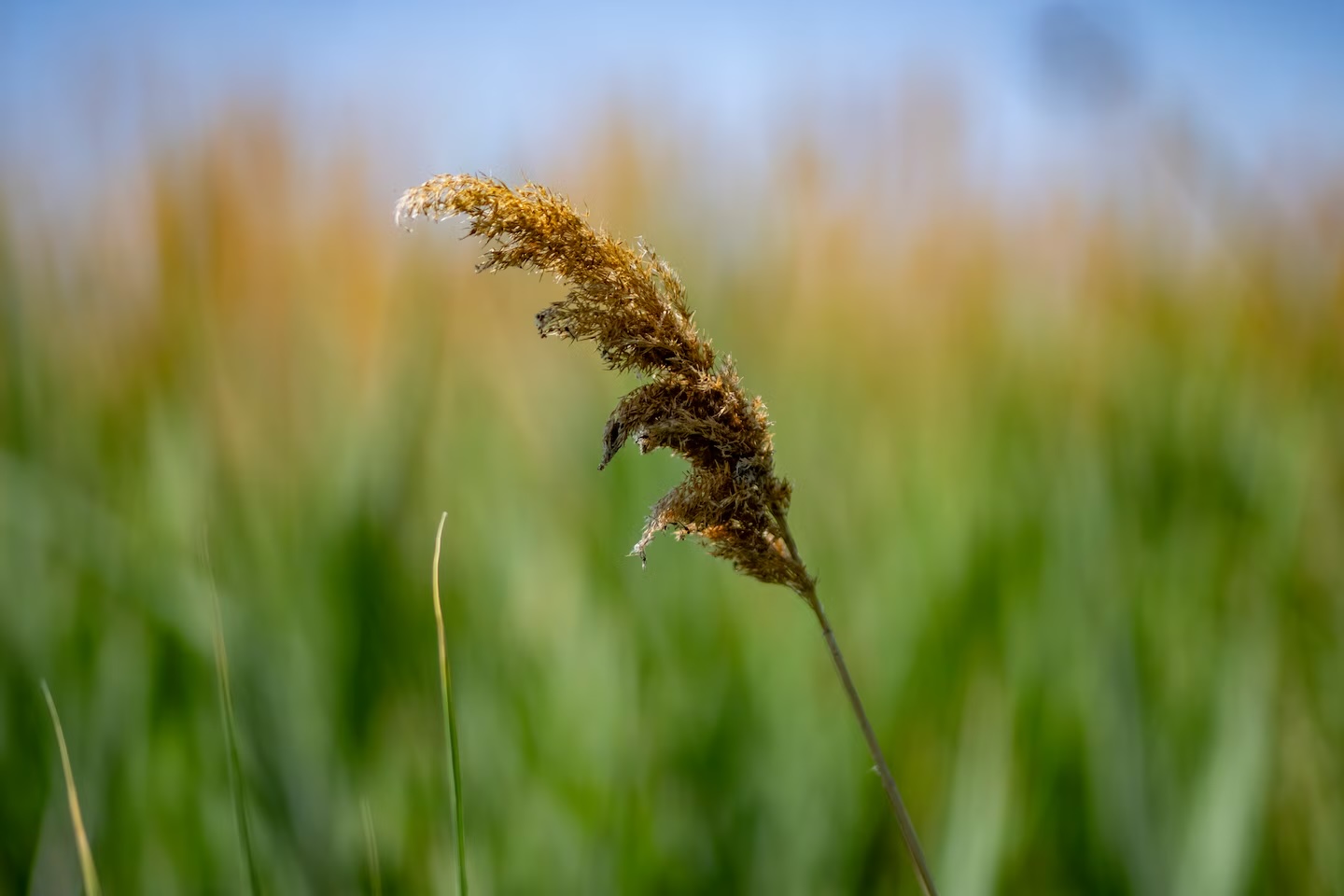
(Rick Egan | The Salt Lake Tribune) Phragmites at the Great Salt Lake.
In recent years, the global church has stepped up its conservation efforts, urging members in Utah and elsewhere to be water conscious.
In 2022, church leader Gérald Caussé, now an apostle in the faith, gave a General Conference address about the importance of earthly stewardship and conservation.
“As God’s children, we have received the charge to be stewards, caretakers and guardians of his divine creations,” Caussé said. “The Lord said that he made ‘every man accountable, as a steward over earthly blessings, which I have made and prepared for my creatures.’”
The church has also installed more than 3,100 smart irrigation controllers on its properties owned across the Intermountain West, including approximately 1,700 within the Great Salt Lake Basin.
And, in 2023, the church made a historic donation of more than 20,000 acre-feet of water shares to the Great Salt Lake. Since then, the faith has donated and leased nearly 30,000 acre-feet of water.
“We recognize that there is no single solution to this situation and that an ultimate resolution will depend on increased precipitation,” the global faith said in a news release. “It is, however, encouraging to see efforts by government entities, community groups, and concerned citizens as they work together to do what is possible to help preserve this vital natural resource.”