The last-minute resolution on Capitol Hill puts a decades-old dispute to rest.
Utah lawmakers approved a rare move — handing off state lands to the federal government, instead of demanding the opposite.
After more than a decade of legal fights, the Legislature approved an eleventh-hour deal Friday night agreeing to sell 22,311 acres of the Great Salt Lake’s lakebed to the Bear River Migratory Bird Refuge in exchange for more than $60 million.
The refuge is owned and managed by the U.S. Fish and Wildlife Service. Established by Congress in 1928, it lies in the northeast corner of the Great Salt Lake. But state officials began butting heads with the federal government in 2000, when they determined the refuge had included lands below the lake’s ordinary high water line.
“It’s a win-win,” House Majority Leader Casey Snider, R-Paradise, told reporters Friday afternoon. “We’re incredibly grateful for the national attention that this system has on it.”
The lawmaker praised President Donald Trump and his administration for seeing the deal through. The president posted to social media and made public statements late last month that he was committed to making the Great Salt Lake “great again.”
“It’s happening at a speed that we did not anticipate because of the Trump administration’s involvement,” Snider said.
At statehood, all lakes and rivers that were navigable and used for commerce were handed over to state governments to manage for the good of the public trust. The Great Salt Lake’s elevation, however, meanders from year to year and season to season because it is a shallow, terminal lake. Water only leaves through evaporation and gets replenished in the spring. Big snow years mean higher elevations for the lake, while unsustainable water consumption in the lake’s watershed have led it down a long-term trend of decline.
Utah has found itself in dispute with the feds over which refuge lands belong to the state and which belong to the Department of Interior since at least the 1960s. It began negotiations in 2000 and officially filed a lawsuit against the United States government in 2012.

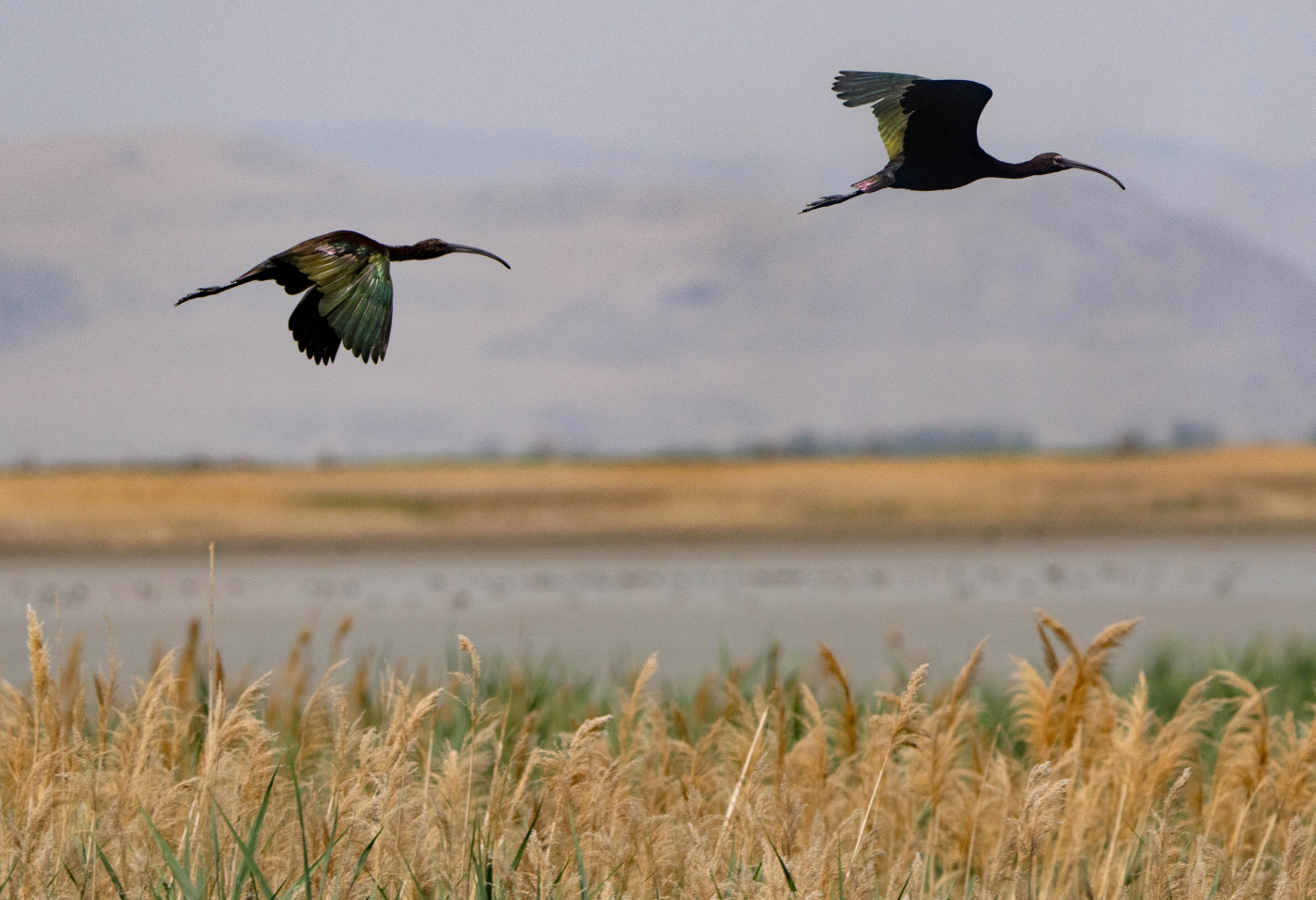
(Rick Egan | The Salt Lake Tribune) The Bear River Migratory Bird Refuge, on Tuesday, Jan 14, 2025.
“Rather than spend another 20 years in court, we’ve been working on a settlement agreement,” said Joel Ferry, director of the Utah Department of Natural Resources, who also owns farmland along the Bear River that neighbors the refuge. “That land’s highest and best use, without question, is to stay as a bird refuge.”
HJR 30 officially brings the legal feud to a close. It approves a land transfer to the refuge as part of the settlement agreement. Any transfer of state lands greater than 500 acres requires consent from the Legislature, and both houses signed off on the measure in the final hours of the final day of Utah’s annual session.
The $60 million-plus payment in exchange for state lands is still under negotiation, Ferry said, but the bill notes it must be used “exclusively” for the benefit of the Great Salt Lake. The federal government must also continue to provide public access, hunting and enjoyment of the transferred lands.
The lake — which is the largest saline ecosystem in the United States — teeters on the brink of setting yet another record low following a winter with dismal snowpack.
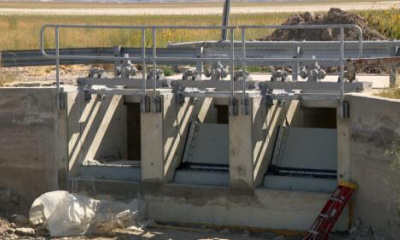
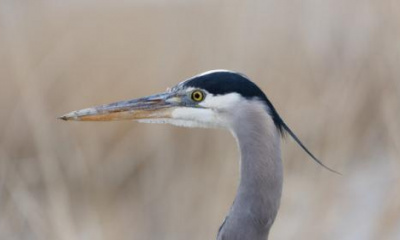
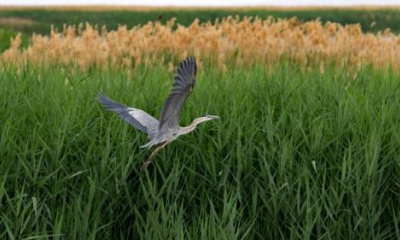
The Bear River Migratory Bird Refuge covers nearly 80,000 acres west of Brigham City and is considered among the best birding sites in the world. Visitors can enjoy views of eagles, American avocets, black-necked stilts, egrets, ibis, swans and more than 200 other avian species as they make annual migrations across the Western Hemisphere. It lies on the delta created by the Bear River, the Great Salt Lake’s largest tributary, but has been engineered into a series of human-controlled dikes, ponds and wetlands.
As the lake’s ecosystem has struggled in recent years, the refuge continues to provide some of the most productive habitat for migrating shorebirds in the West.
Note to readers • This story is made possible through a partnership between The Salt Lake Tribune and Grist, a nonprofit environmental media organization.
Salt Lake Tribune reporters Robert Gehrke and Emily Anderson Stern contributed to this article.