As 2025 comes to a close, we wanted to review our coverage and let our readers know which stories were most popular in the last year.
We aim to continue our work in 2026, providing Utahns with the information they need to make informed choices about Great Salt Lake and the Colorado River as they engage with stakeholders, legislators, and their own water conservation choices.
If you value our reporting, please consider making a donation to support our work in 2026. And right now, your generosity can have double the impact! The Nature Conservancy in Utah is currently matching all donations to our work up to $10,000.
What follows are the Top 10 stories according to traffic to our website. From updates on the long-awaited Great Salt Lake license plates to in-depth stories about the impacts from the shrinking lake and resulting dust, these are the stories that reached the most Utahns this year.
No. 10 - How a collapsing Great Salt Lake could take Utah’s economy — and maybe your employer — down with it
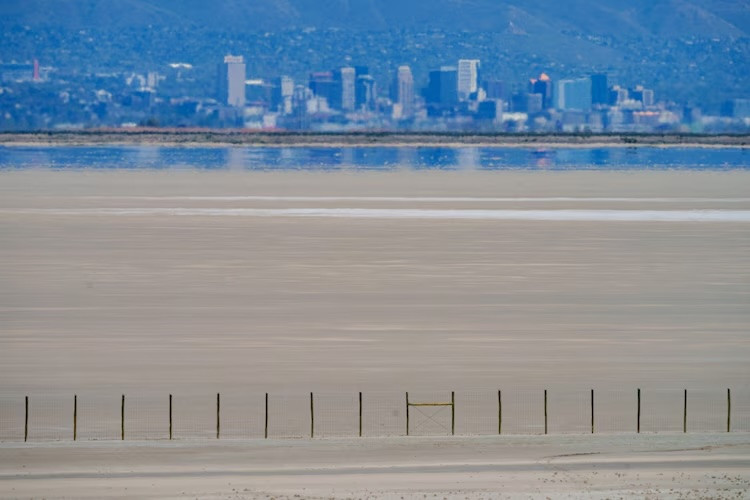
This story details a recent study from the University of Utah warning us that a dried-up lake bed and the resulting dust could have massive impacts on our economy and businesses in Utah.
“‘Most alarmingly,’ say the co-authors affiliated with the Stegner Center’s Great Salt Lake Project, ‘it is increasingly clear that the policy tools currently available are insufficient to meet the challenge.’”
No. 9 - Flagpole installed illegally on Black Rock near Great Salt Lake, state agency mulls over removal
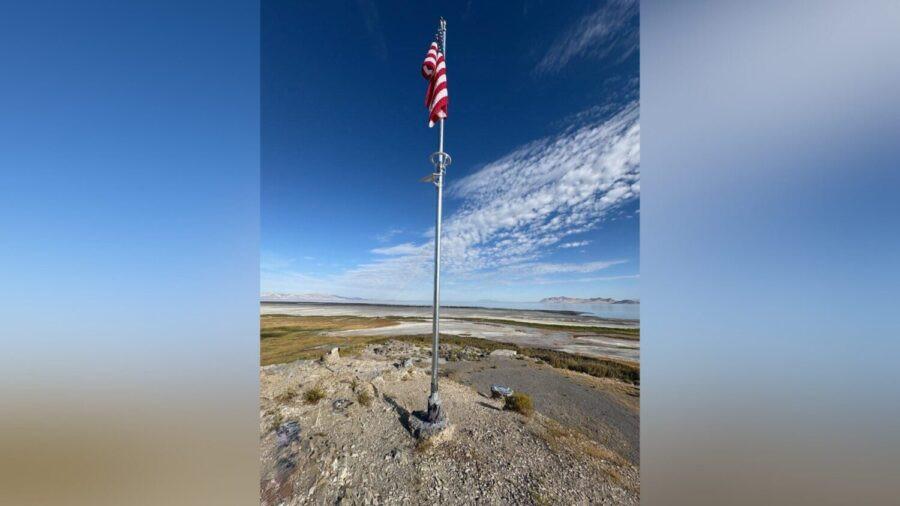
A flagpole flying the American flag at Black Rock near Great Salt Lake attracted a lot of attention in September, especially in light of the installation being illegal. The state mulled over what to do about the installation, but before they made a decision the flag was cut down by unknown parties.
"The issue is not about the flag but the flagpole that was installed into Black Rock. The division respects the desire to display the flag but needs to ensure it is done so in a proper and legal manner.”
No. 8 - Captured by satellite: Great Salt Lake's dust threatens air quality in Utah cities
The impact of dust on neighboring areas was brought home with visual flair in March after a satellite captured images of dust blowing off the Great Salt Lake.
"I think there’s pretty good evidence that we’re seeing more dust events, especially dust coming from the Great Salt Lake, since about 2010," said Dr. Derek Mallia, a research assistant professor at the University of Utah's Department of Atmospheric Sciences, who is part of a group studying the impacts of lake dust.
No. 7 - Hundreds of people paid for one, so where's the Great Salt Lake license plate?
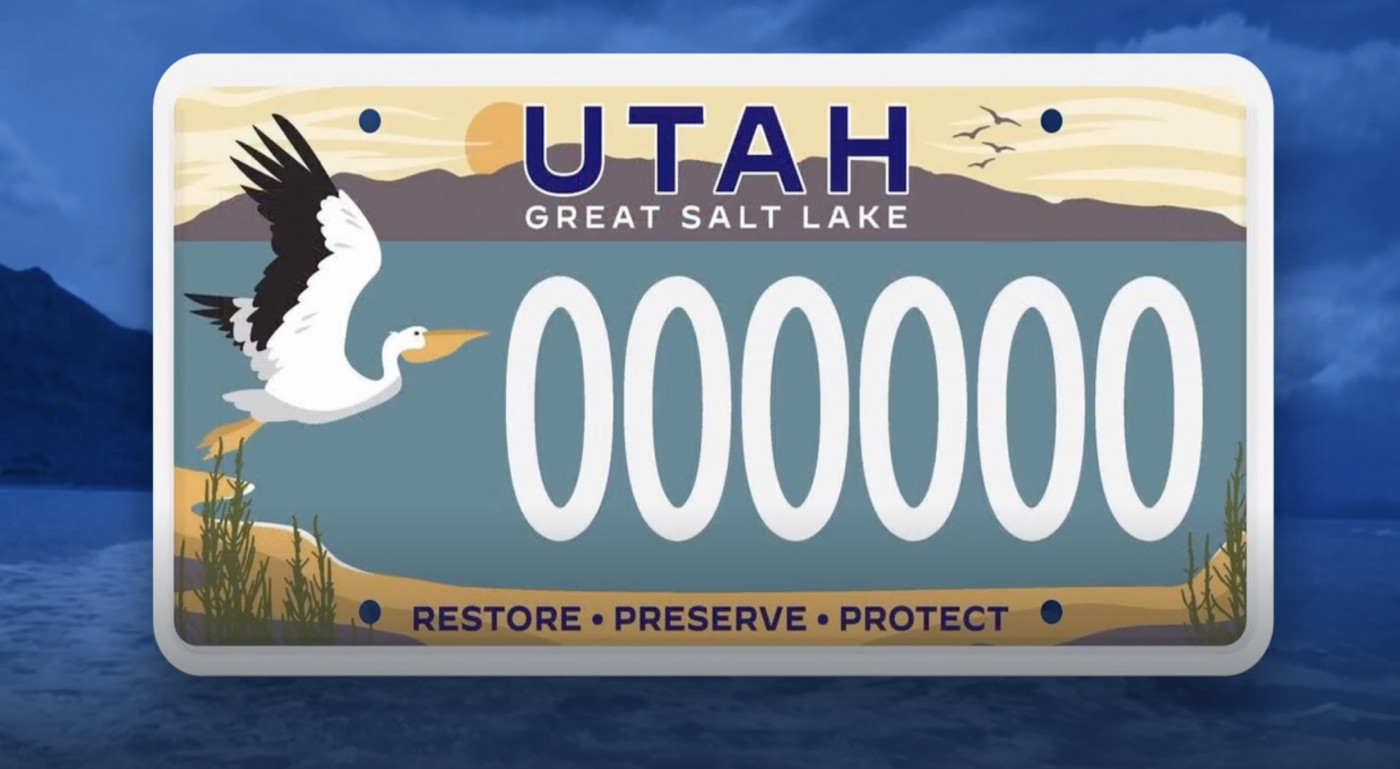
Hundreds of people were excited to get their hands on a new Great Salt Lake license plate, and as delays mounted folks got increasingly frustrated. In May, we learned the plate had gotten swept up in broader legislative changes surrounding license plates in the state, increasing the delay as a committee met to develop new rules for license plates. The resolution ended up being a popular story as well, so check out the No. 4 spot for the final word on these plates.
"We've innovated a lot with license plates right now, we’ve innovated a lot over the past two years. The implementation of that with a lot of the designs is a big part of that as well. The best I can tell you is, we are working on it. Sorry it’s taking so long," said Sen. Dan McCay, R-Riverton, who sits on the license plate redesign committee.
No. 6 - Amid a freeze, Utah granted millions of gallons of new water rights in the Great Salt Lake basin. Here’s where the water will go
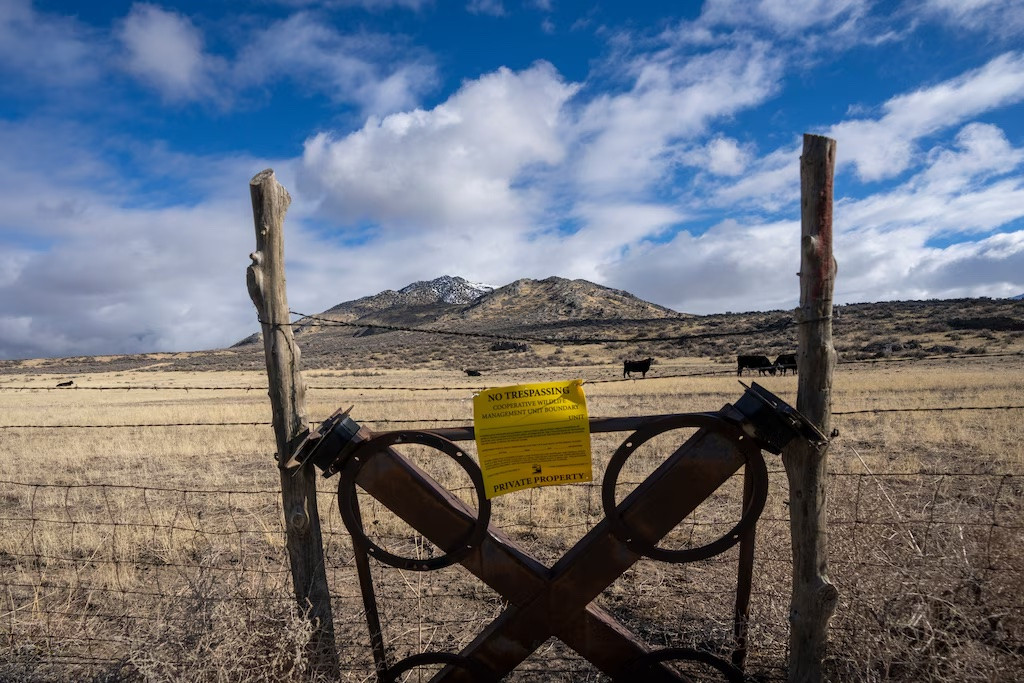
Water rights can be a complicated issue, and in February Megan Banta of the Salt Lake Tribune broke down the details on where millions of gallons of new water rights would be going.
No. 5 - Utah demands US Magnesium stop pumping massive amounts of water from the Great Salt Lake
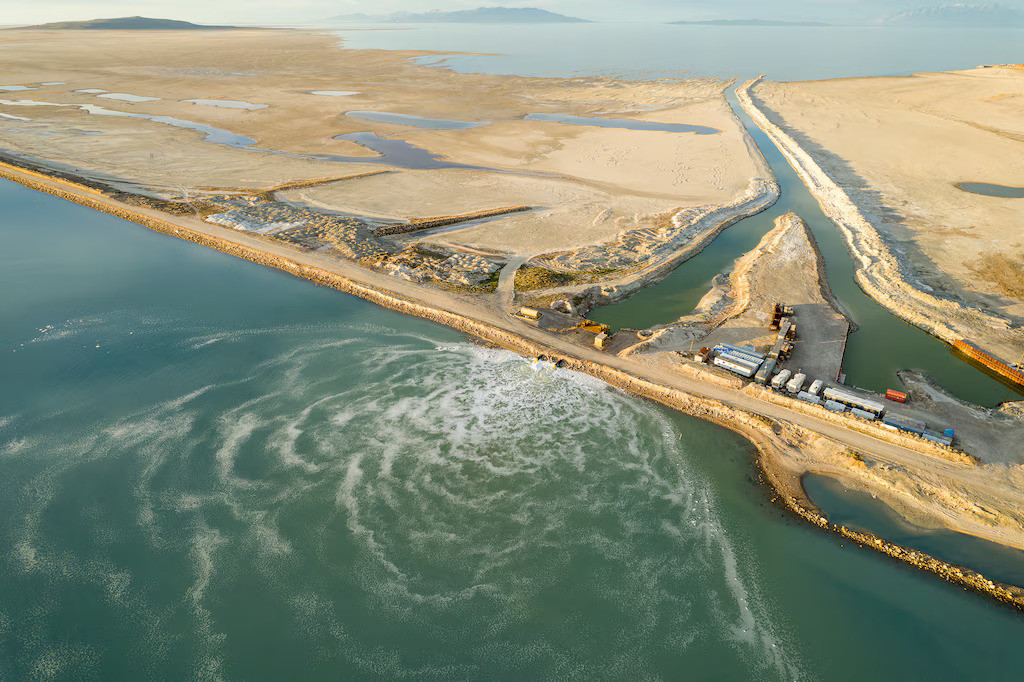
The legal battle around contamination from US Magnesium has been an ongoing saga in Utah. The plans for cleanup and debates over who bears financial responsibility are more complicated in light of the company’s declaration of bankruptcy and ceasing operations on the lake.
While the plant itself has been mothballed for years, in September, the state demanded the company stop pumping water from the Great Salt Lake. US Magnesium diverts water from the Great Salt Lake into solar evaporation ponds in Tooele County, where it concentrates the brine to extract magnesium chloride salt.
No. 4 - Great Salt Lake license plates are finally here
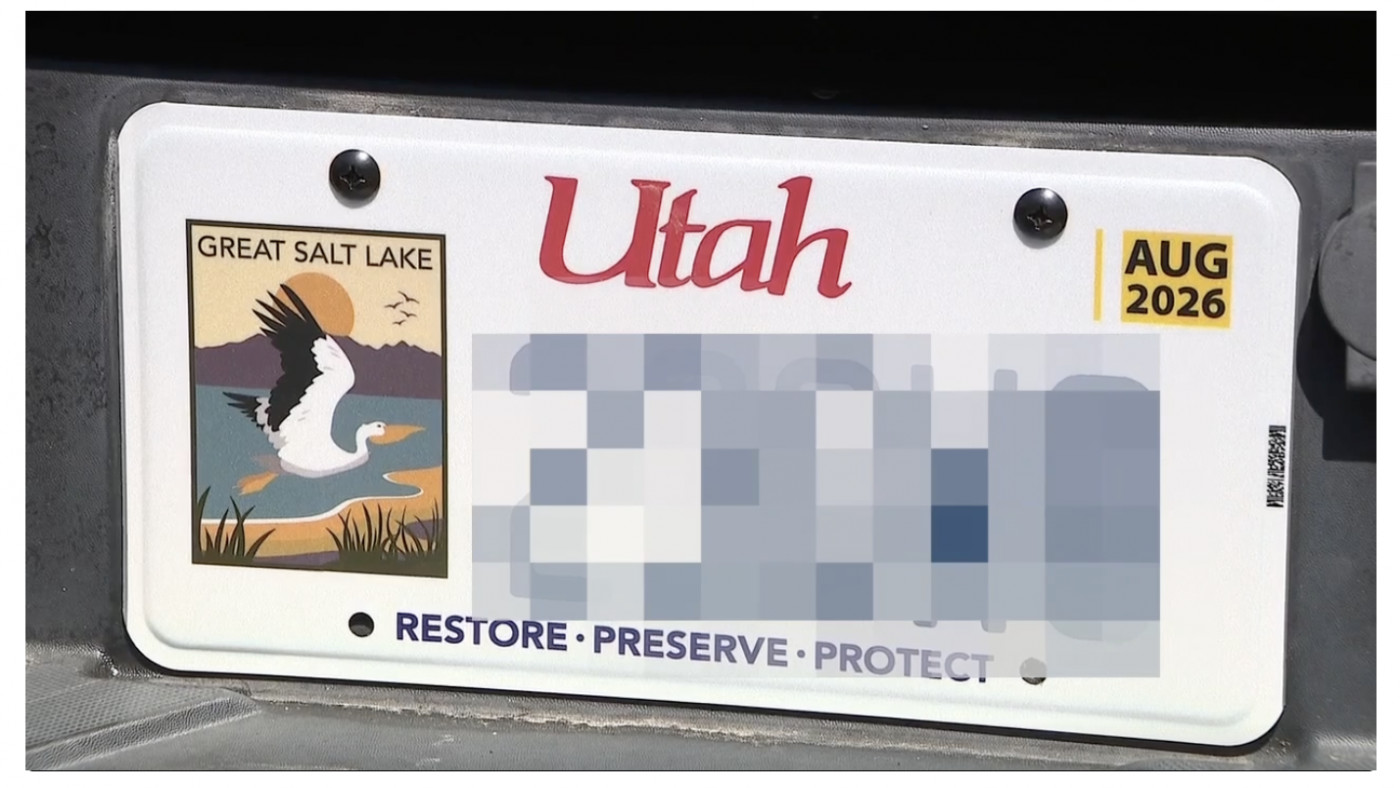
Good things come to those who wait, and in September, the Great Salt Lake license plates finally began shipping out to the folks who paid for them. After two years, the process was finally complete.
"It really was just sort of march out, get a bunch of plates ordered and then there was a little sort-of hiccup in getting the plate process approved," Sen. Plumb said in an interview at the time. "We’re there though. You learn a lot every day in government, right? Always something new, always make new mistakes is my motto. This is really something. And I think now we’re highlighting how important it is we pour more attention and focus on the lake."
No. 3 - Utah now runs the world's largest remote-controlled cloud seeding program
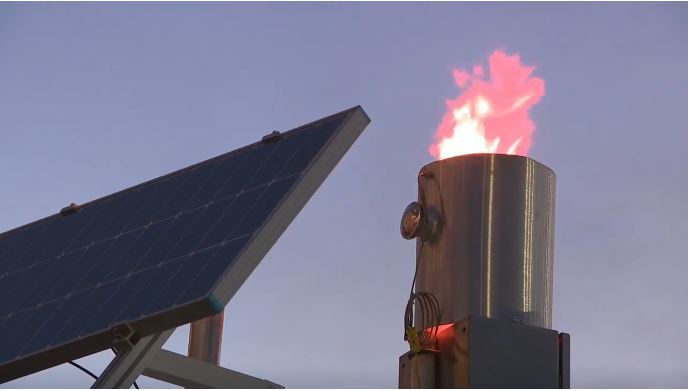
Utah has been using cloud seeding for many years, but in October, the technology got some extra attention when the state announced Utah runs the largest remote-controlled cloud seeding program in the world.
"It improves the efficiency, it can be turned on and off quicker," Jake Serago said at the time of the remote-controlled versions. "It improves the effectiveness because it can be placed at higher elevations above temperature inversions, for example."
State officials noted that cloud seeding is responsible for a 10 percent increase in annual snowpack.
No. 2 - Here's how much water is needed to get the Great Salt Lake back to 'healthy' by 2050s
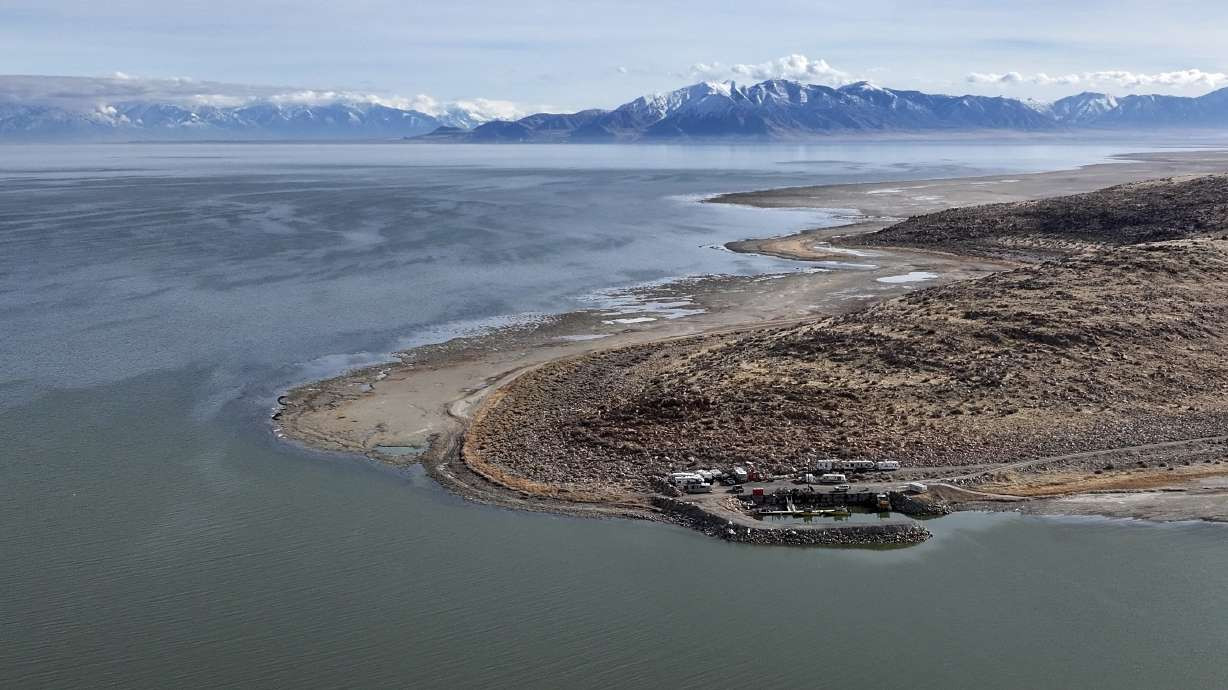
The future of the lake is uncertain, but in January, a team of researchers sought to put some hard data behind the question of what it will take to get the lake back to a healthy level in the coming decades.
They believe, due to more detailed modeling, the lake needs an additional 770,000 acre-feet of water every year from its baseline average for the lake to regularly maintain its "healthy" level of 4,198 feet elevation by 2054.
No. 1 - Utah plant linked to Kingston polygamist group cited for dumping chemicals into Bear River tributary
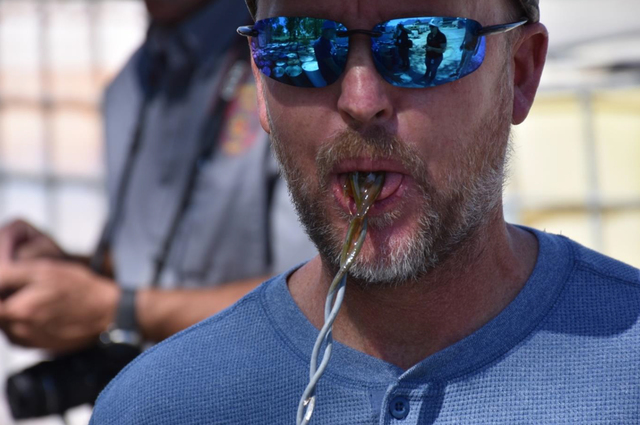
Our top story of 2025 came in June, when a plant linked to the Kingston polygamist group was cited for dumping chemicals.
Following a complaint from a tipster, inspectors found “foul smelling, dark water” in a ditch running from the facility to the Malad River, which feeds the Bear River. Greasy water pooled in many parts of the facility, often from overflowing containers.
The state’s Department of Environmental Quality eventually fined the company $27,519 for violating the Utah Water Quality Act.